Color Bingo Game for Kids: A Fun Learning Adventure
There's a certain magic in watching a child's face light up when they learn something new. It's even better when that learning feels like pure play. That's the core idea behind the Color Bingo Game for Kids Playing. This isn't just another activity to pass the time; it's a thoughtfully designed tool that blends education with genuine fun, helping young minds grasp the vibrant world of colors while developing essential skills.
What's Inside the Box?
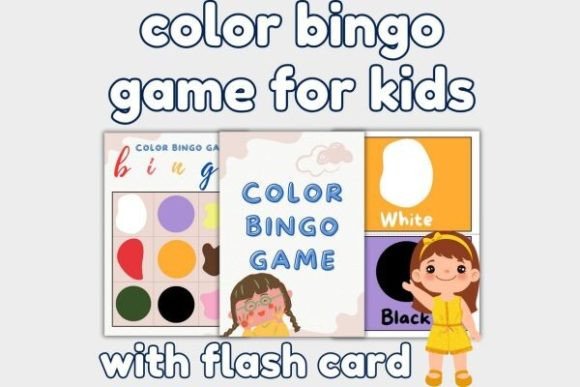
Let's break down what you get with this printable game. The package includes 18 pages of game boards, each featuring a unique arrangement of colors. This variety keeps the game fresh and engaging, so kids won't get bored playing the same layout repeatedly. You also receive 10 color flashcards, which serve as the calling cards. The materials are clean, clear, and visually appealing, designed with little learners in mind. The overall aesthetic is friendly and accessible, avoiding overly complex illustrations that might distract from the primary goal of color recognition.
Simple Rules, Big Benefits
The beauty of this game lies in its simplicity. Here's how it works: give each player a game board. Place the flashcards face down in a pile. One player becomes the caller, turning over a card and announcing the color. Everyone else scans their board and covers the matching color with a token, a button, or even a crayon. The first to cover all their colors wins. This straightforward process does more than teach color names. It's a workout for young brains and bodies.
As kids play, they're practicing fine motor skills by picking up and placing small items. They're developing hand-eye coordination as they match the called color to the correct spot on their board. Most importantly, they're improving concentration and focus, skills that are foundational for all future learning. And, of course, they're having a blast, which is the most powerful motivator of all.
Who Is This Game For?
The Color Bingo Game for Kids Playing is perfectly suited for a range of early learners. Preschoolers will enjoy the basic color matching. Kindergarteners can use it to reinforce color vocabulary and practice taking turns. First graders might enjoy the competitive aspect and the challenge of being the caller. It's an ideal activity for quiet time at home, a structured lesson in a classroom, or a fun addition to a playdate. For parents, educators, or caregivers, it's a ready-made solution that requires minimal prep time.
Practical Applications for Creative Professionals
Now, if you're a designer, marketer, or content creator, you might be looking at this from a different angle. This game represents a fantastic design asset or a model for creating your own educational products. The structure is a proven, engaging format. Think about the potential: you could adapt the concept for teaching shapes, letters, numbers, or even vocabulary in a second language. The 17-page PDF and JPG format offers flexibility for digital distribution or high-quality printing.
For those in branding or packaging design, studying products like this offers insights into creating brand identity that resonates with both children and the adults who purchase for them. The visual language needs to be clear, trustworthy, and joyful. The modern typography and clean layout choices here are excellent examples of editorial design applied to a functional product. It demonstrates how to use a creative font or a display font effectively without sacrificing readability for its young audience.
From Game Board to Brand Asset
Imagine you're developing a line of educational materials. This bingo game could be a cornerstone product. Its style could inform your entire brand identity. The friendly, approachable feel could extend to your website, your social media graphics, and your packaging design. You might pair a sans serif font from the game's instructions with a handwritten font for a more playful headline on a poster, creating a cohesive yet dynamic font pairing.
The key is understanding the audience. The primary users are kids, but the buyers are adults. Your design must appeal to both. A premium font with excellent readability and a touch of warmth, like a script font used sparingly, can convey professionalism to the parent while still feeling fun for the child. This balance is crucial for commercial font selection in any family-oriented project.
Making It Your Own
Whether you're using this game as-is for your family or as inspiration for your next creative project, here are a few practical tips:
- Test the Experience: Before finalizing any educational product, playtest it with actual kids. Observe what they enjoy, what confuses them, and how long their engagement lasts.
- Evaluate the Fit: Not every project needs a flashy display font. For instructional text, a clear serif font or sans serif font is often best. The Color Bingo Game for Kids Playing uses simplicity to its advantage.
- Consider Licensing: If you're adapting the concept for commercial sale, ensure you have the proper rights for all elements, especially any commercial fonts or graphics you incorporate.
- Focus on Value: The most successful products solve a problem or fulfill a need in a delightful way. This game solves the need for engaging, educational screen-free time.
Ultimately, the Color Bingo Game for Kids Playing is more than a set of printables. It's a gateway to learning, a template for creative projects, and a reminder that the best educational tools are those that feel like play. Its strength lies in its focused execution and understanding of its audience, principles that apply whether you're designing a game board or building a brand.